53%
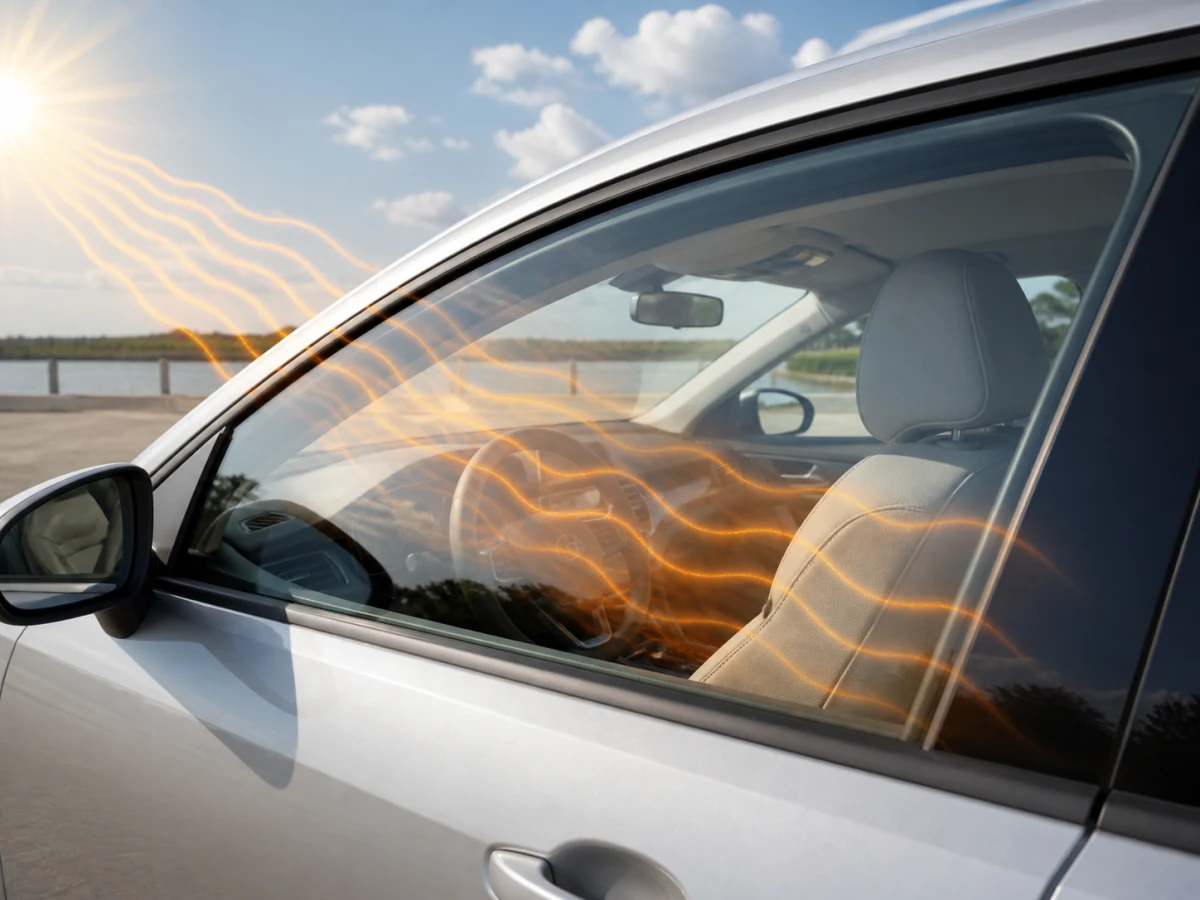
Most of the sun is heat you can’t see.
Over half of what comes through a window is infrared — no brightness, no glare, just heat. It’s exactly why a car with dark windows can still cook all afternoon.


Nano-ceramic film · Portland, Oregon
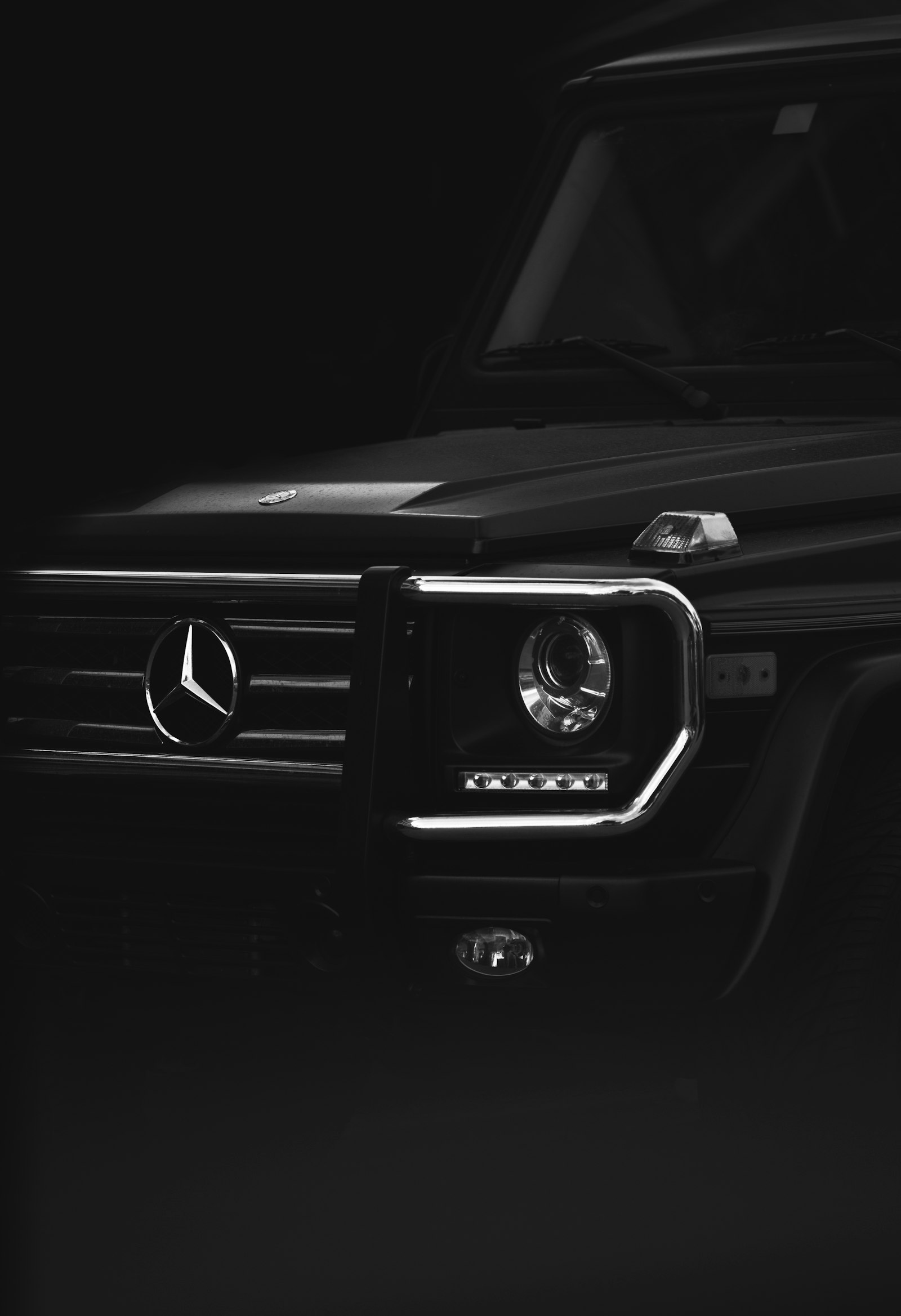
Most of what makes a parked car unbearable is infrared — light you cannot see and a darker shade cannot stop. Ceramic film carries a layer built to absorb it.
Tinted here weekly
Why ceramic
Shade is a decision about privacy. Heat is a decision about what the film is actually made of — and the gap between the cheapest roll on the shelf and the one we fit is better than two to one.
0%Of the sun’s IR heat blocked
How it works
Ceramic film does one thing no amount of extra darkness can do — it separates the light coming through your window from the heat riding along with it.
53%
Over half of what comes through a window is infrared — no brightness, no glare, just heat. It’s exactly why a car with dark windows can still cook all afternoon.
87%
Inside the film sits a layer of ceramic particles far too small to see. Heat gets absorbed there and shed back out through the glass. Light carries on through as normal.
20°F
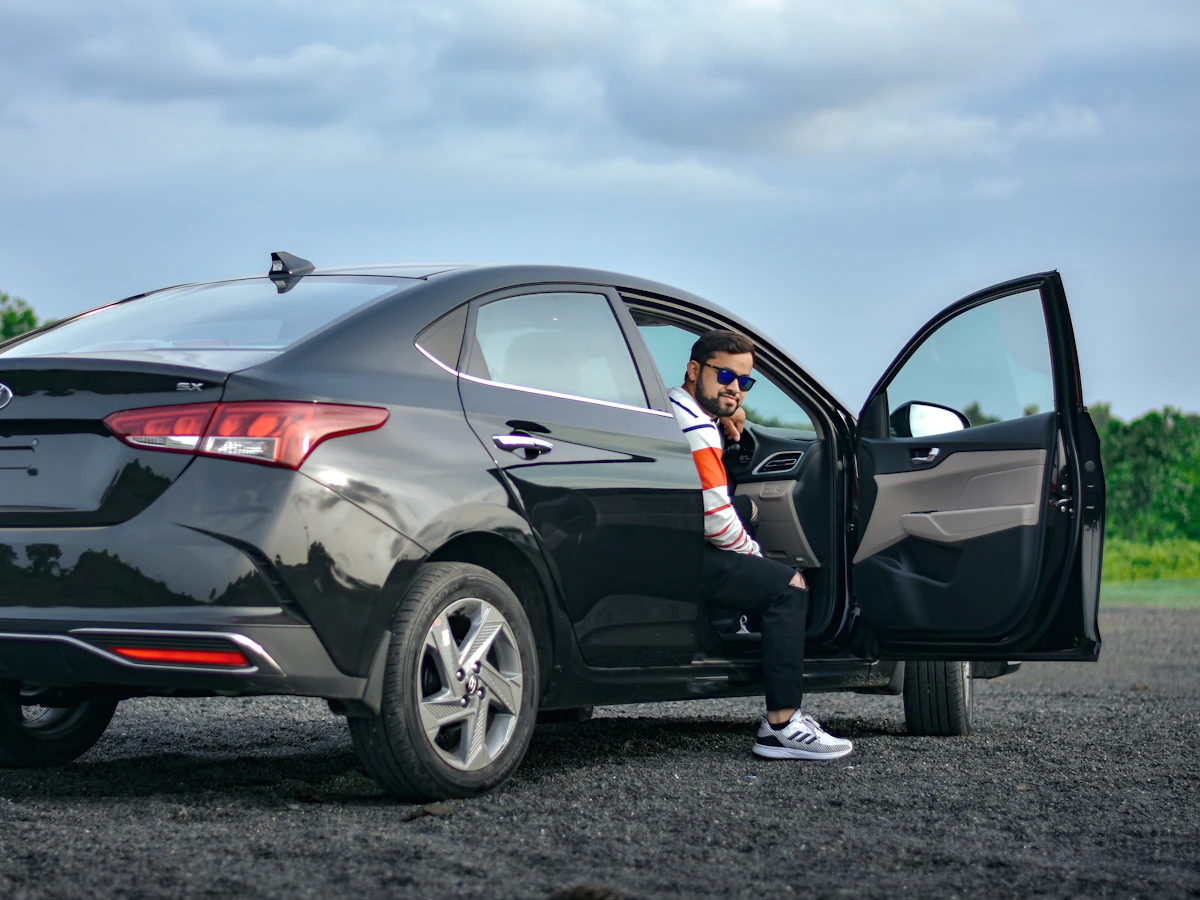
Same parking spot, same afternoon, same black paint. You just stop having to stand there with all four doors open waiting for it to be bearable.
What you get
Film specs are laboratory figures, and they’re worth nothing until somebody tells you what each one does to the drive home. So here they are, in the only terms that matter.
0%
Roughly SPF 100 on the arm nearest the window. Your dash stops cracking and the driver’s half of the back seat stops fading years ahead of the other half.
0%
There’s no metal anywhere in ceramic film, so nothing to argue with your phone, your key fob, your toll tag or GPS. Cheap film built on a metal layer can’t say that.
0%
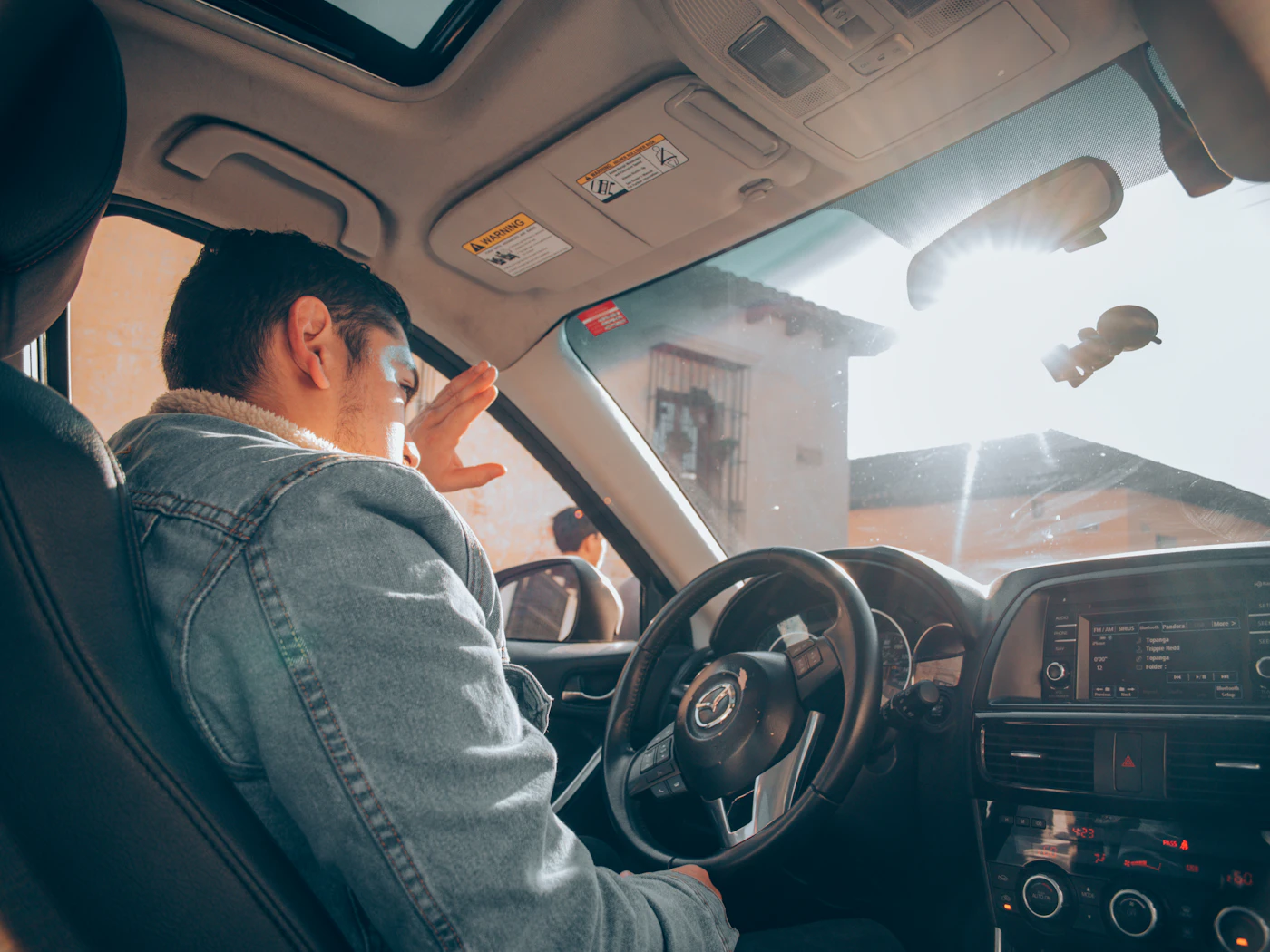
Up to that much, depending on the shade you pick. Low winter sun and oncoming headlights stop being something you drive through squinting.
Never
Color-stable pigment instead of dye, warrantied for as long as the car is yours. The shade you picked is the shade it stays.
Find your fit
Ceramic film is a glass treatment, separate from a ceramic coating on paint. Pick it around the time you spend in the car and the visibility you want.
Discuss lighter ceramic grades if you want a more open appearance. Compare the actual film’s solar specifications before choosing.
A lighter appearance can still be a considered comfort choice.
For regular daytime driving, compare glare reduction alongside the view through the glass. A sample helps show what each grade feels like.
Think about daytime and after-dark visibility together.
Existing tint, factory glass and the windows you want treated all affect the installation. Share what is already fitted before the quote is confirmed.
Confirm suitability and permitted placement with the installer.
Before you book
Compare the specifications for the actual film and shade being quoted. Ceramic films differ in how much of the sun’s heat they block; shade describes the appearance and does not tell the whole heat-control story.
No. Ceramic film comes in lighter and darker shades. Compare the shades with your existing glass and the visibility you want before selecting your film.
Tell us whether the car has factory privacy glass or added film. We’ll assess what is already fitted and explain whether removal or a different film choice is needed.
No. Ceramic window film is fitted to glass. A ceramic coating is applied to a prepared surface such as paint. Select the service for the part of the vehicle you want to improve.
Free quote
Tell us the vehicle, which windows you want done and whether there is old film to come off. We’ll come back with your quote and the shades that are legal on its front windows.