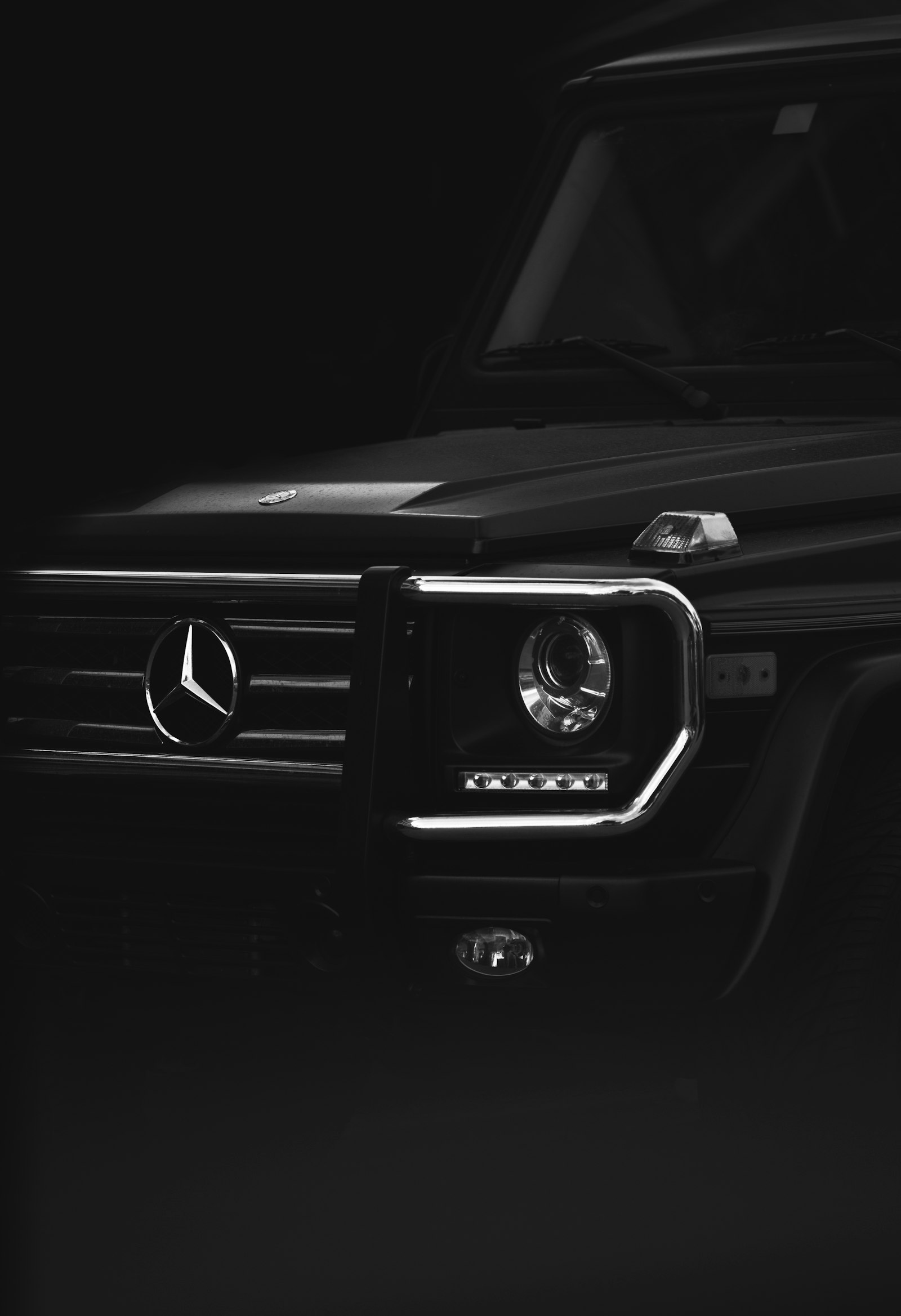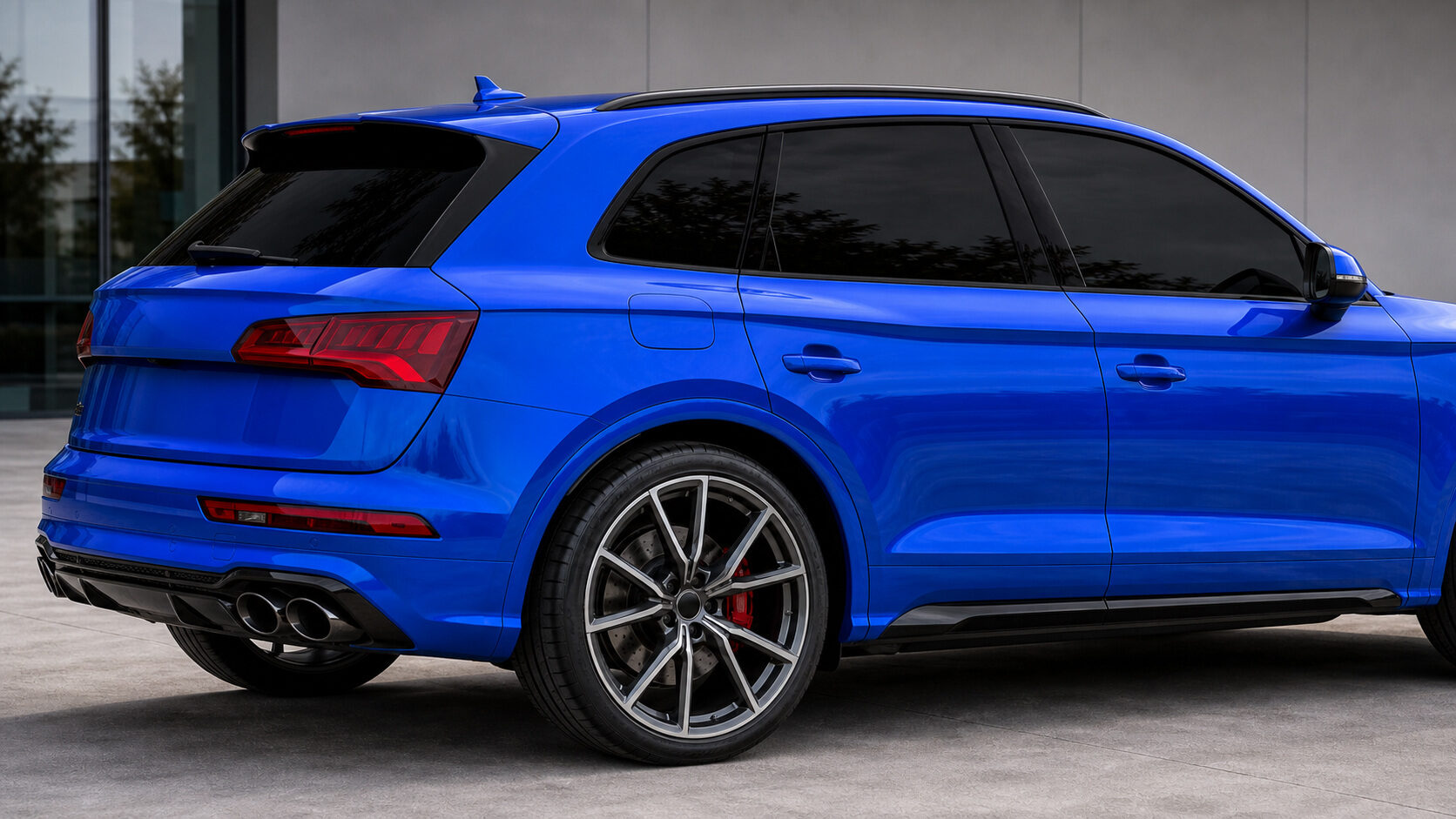
 5% VLT
SUV and truck rear glass
Full blackout privacy.
The darkest shade we fit. Nothing visible in the cabin from outside, kept behind the front doors so the car stays road legal.
Rear glass on trucks, vans and anything carrying tools

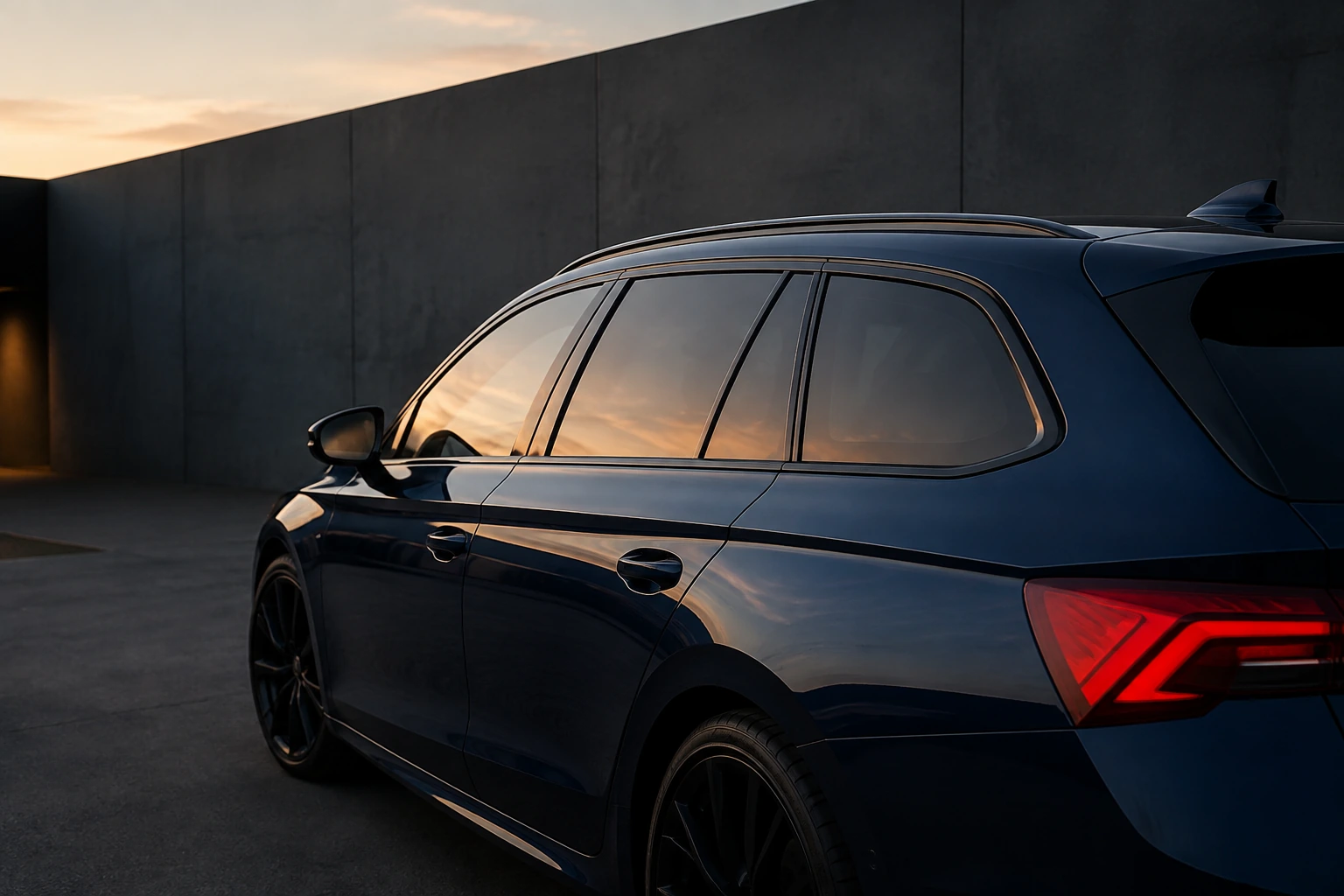
Film shades · Union Window Films
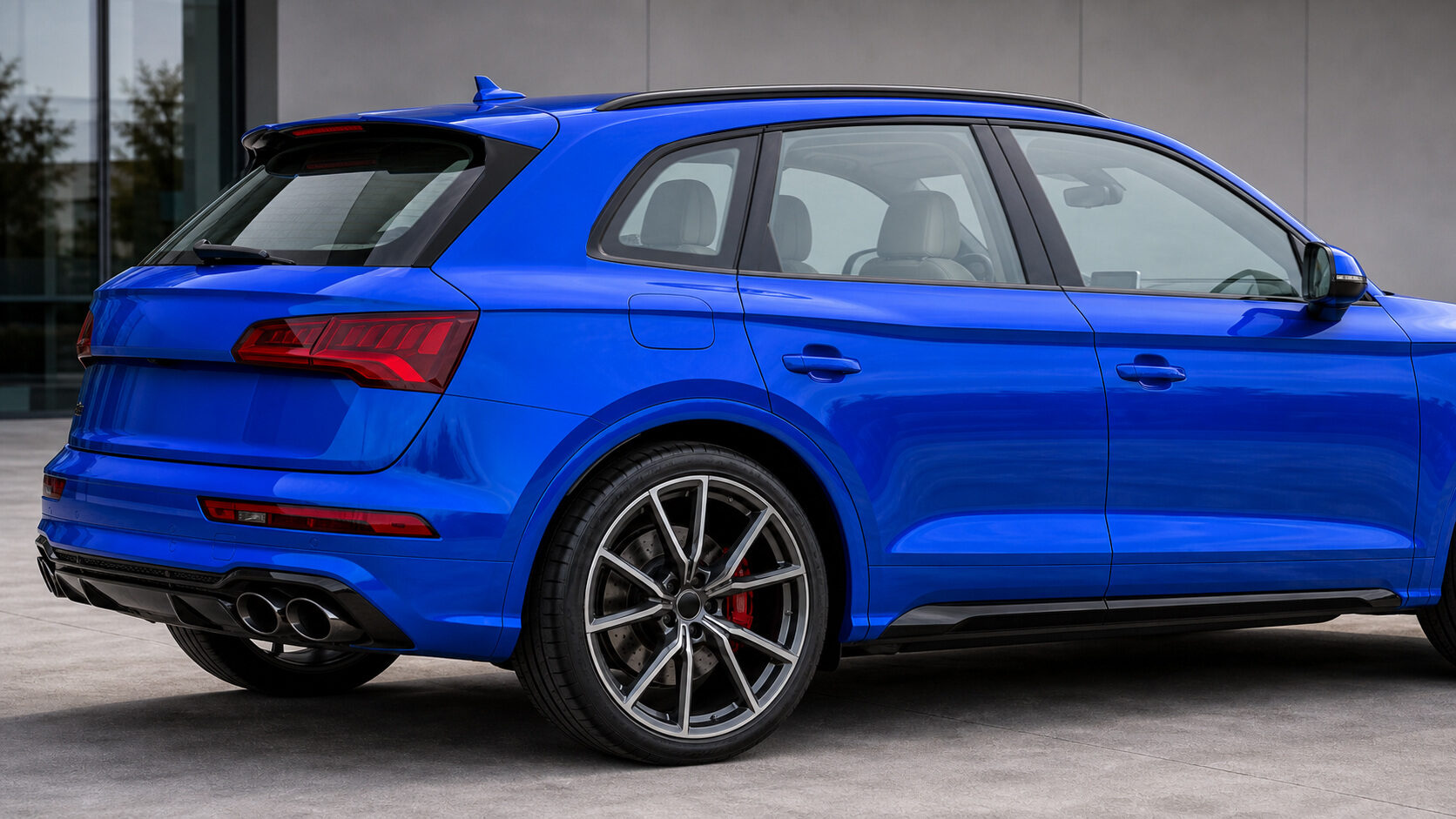
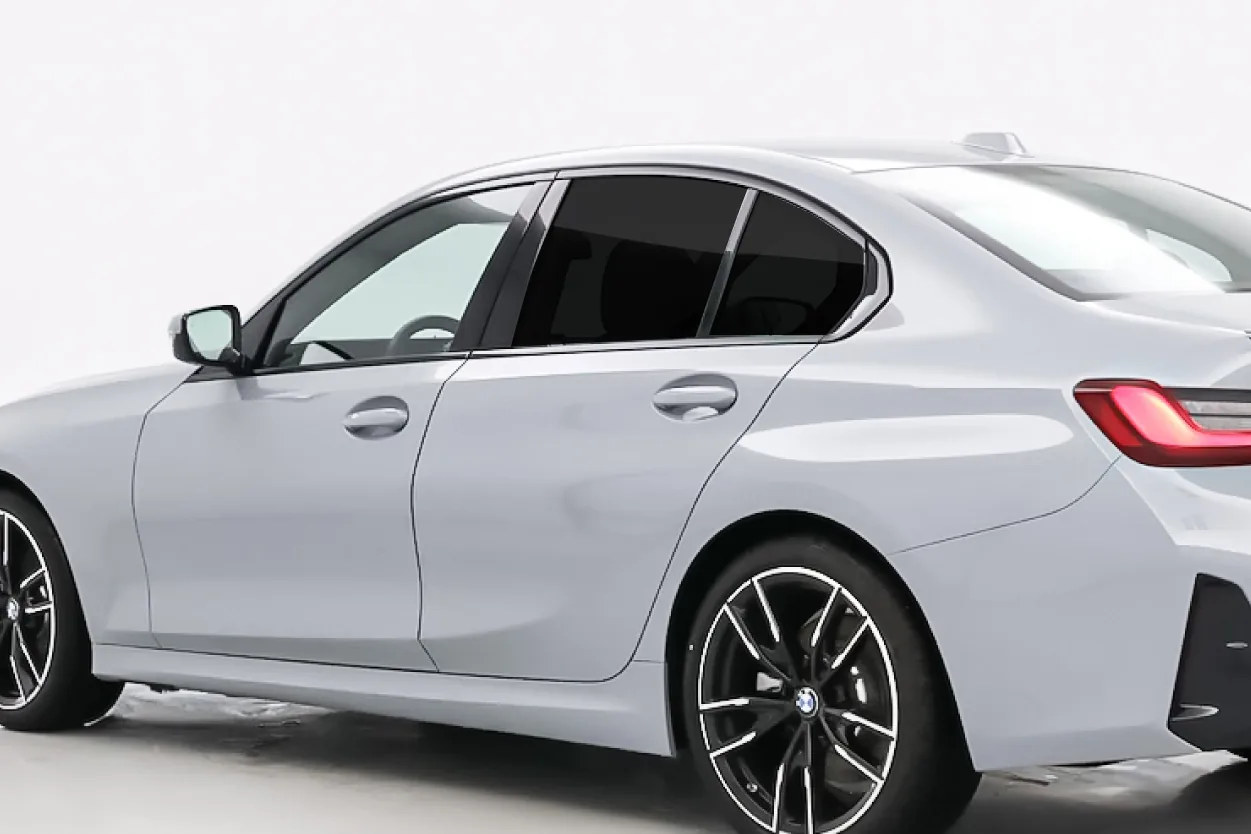
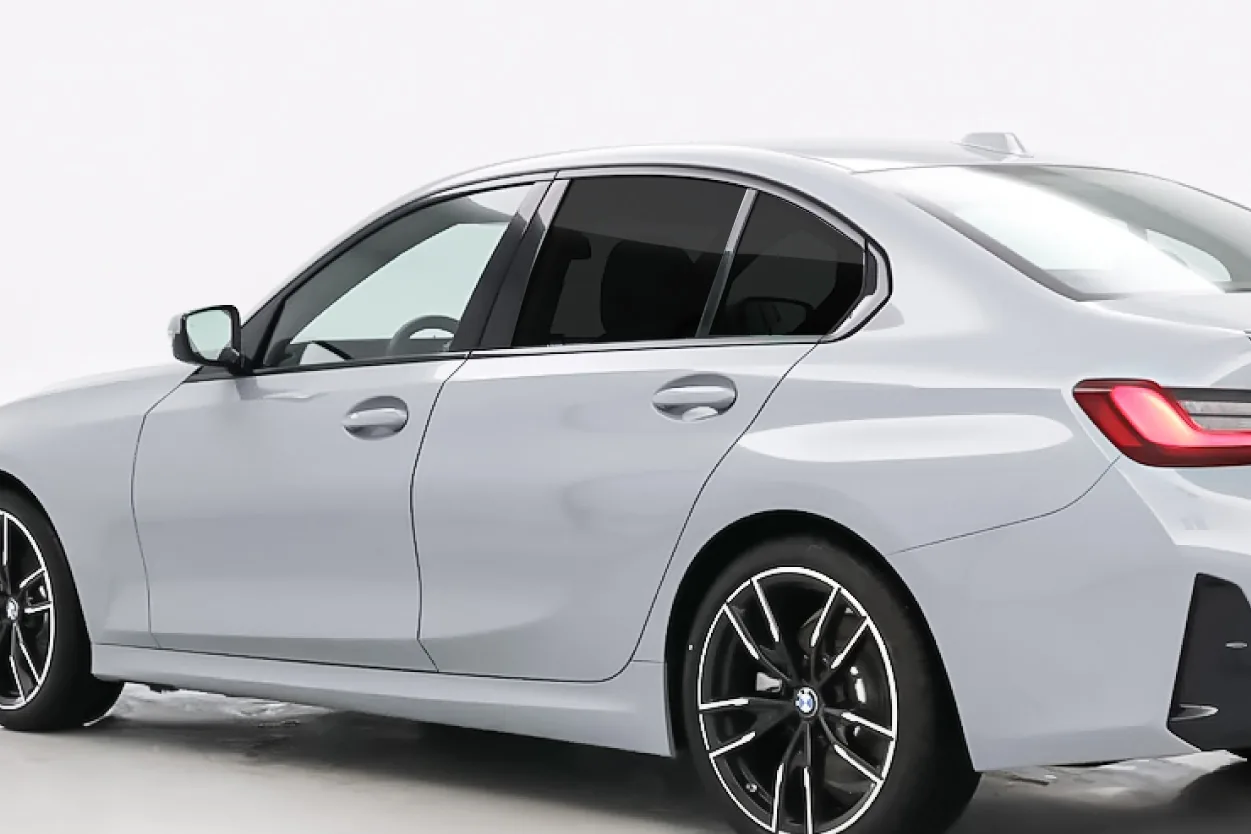
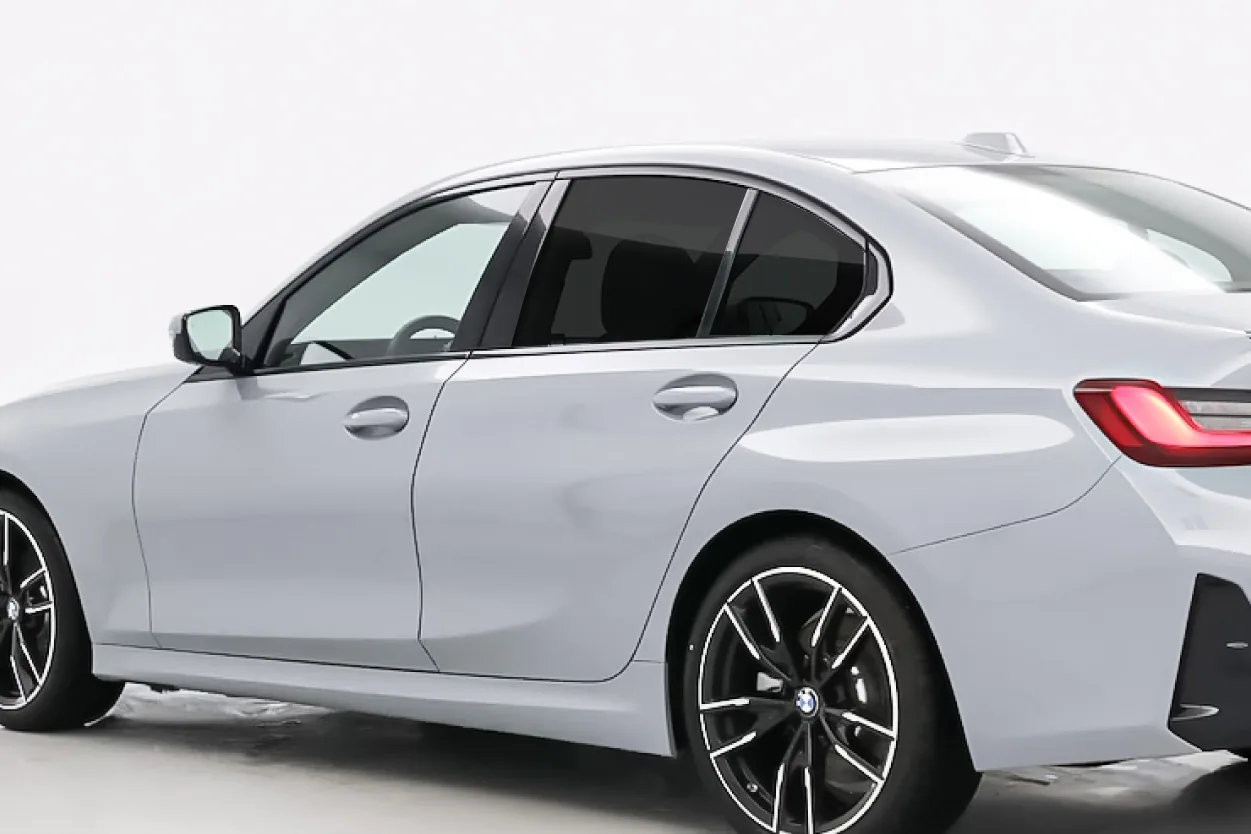
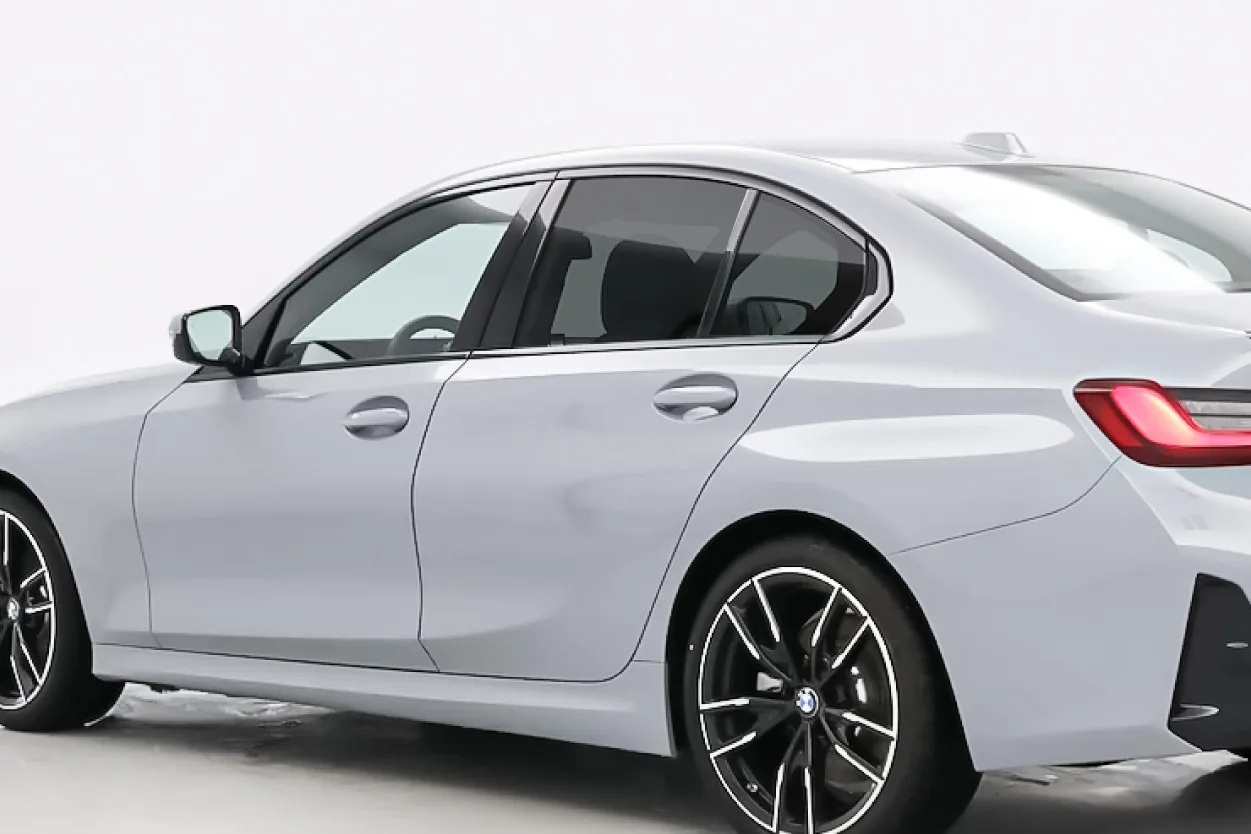
Nobody can picture a percentage. So here is every shade we fit, shown on the same car, in the same light — dark enough to judge, side by side, before anything is cut for your glass.
Compare shades
Every option is Union Window Films film, carbon or ceramic — only the amount of light it lets through changes. Drag the handle across the glass to see the shade land, and we’ll sanity-check your choice against your own car and Oregon law before anything is cut.
Oregon asks for at least 35% VLT on every side window and the back window of a car; on SUVs, trucks and vans the glass behind the driver can go as dark as you like. Shade also reads differently on every car, so we check it on your glass before we cut.
The full range
Darkest first. The photograph is the same car each time, so what changes between these panels is only the film — which is the comparison a shade chart on a wall never gives you.
5% VLTThe darkest shade we fit. Nothing visible in the cabin from outside, kept behind the front doors so the car stays road legal.
Rear glass on trucks, vans and anything carrying tools
15% VLTA finished, blacked-out side profile that still lets you read the mirrors at night. The most popular choice for rear glass on trucks and SUVs.
Rear glass when you want the blacked-out look
20% VLTA popular dark finish with a little more light through the side glass — past most states’ front-window line, so it usually stays behind the doors.
Rear glass on a car you still park in the dark
35% VLTVisible privacy, serious heat control, and a factory look front to back. Legal on every window in most states, which is why most cars leave wearing it.
One shade on every window, front to back
50% VLTFor drivers who want the heat and UV performance without changing how the car looks. Barely reads as tint from the outside.
Leases, company cars and anything kept factory-looking
70% VLTA near-invisible ceramic layer built for windshields and light-sensitive drivers. All of the heat rejection, none of the darkness.
Windshields and drivers who want no darkness at all
Reading the number
Every shade above is named after one measurement: VLT, the share of visible light the glass lets through. Get that number the right way round and the rest of the choice is easy.
 AnyLimo
 15%14–18%
 25%20–28%
 35%30–35%
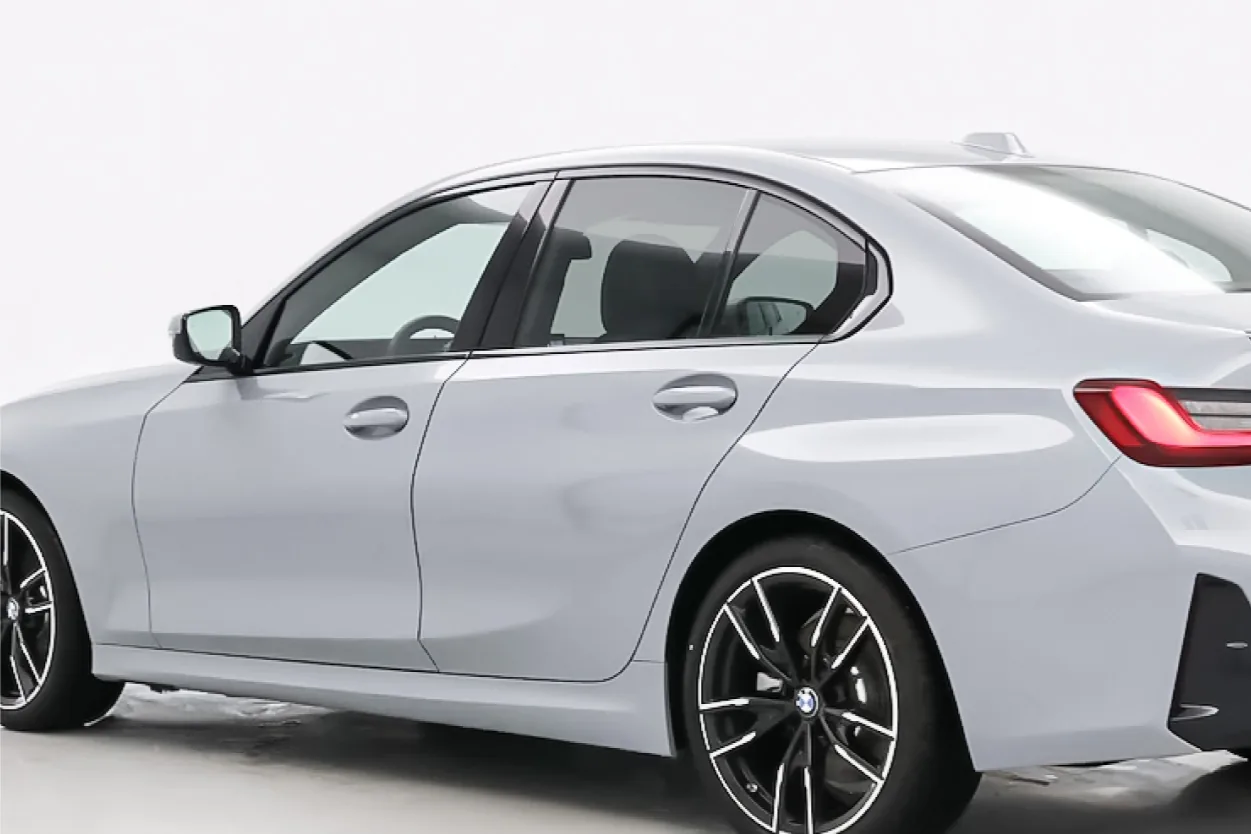 50%50%
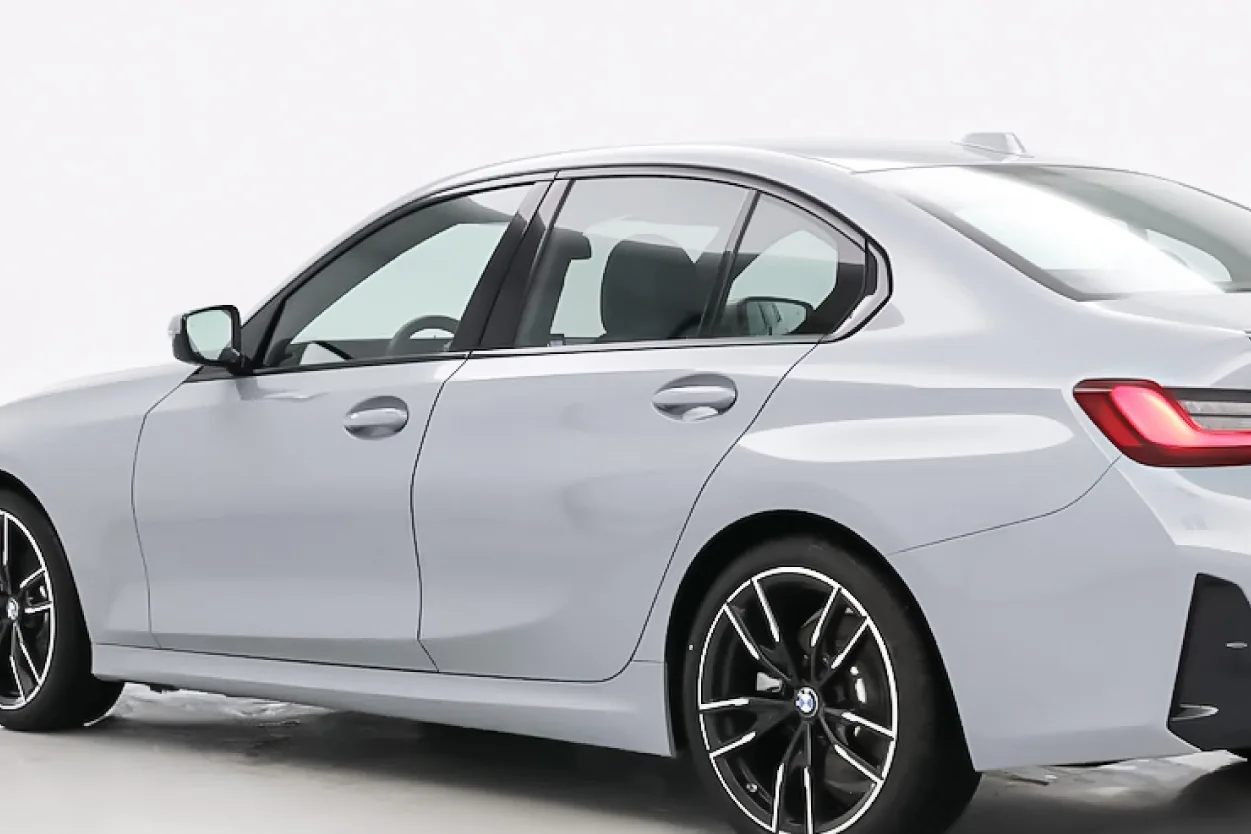 70%70%
Your windows are already tinted from the factory — usually somewhere near 78%. A 35% film on that glass measures closer to 27%, which is how a legal-sounding shade fails a roadside check.
VLT is the share of visible light that gets through. 5% is limo dark and 70% is barely there, so the tighter a state writes its law, the higher the number it quotes.
Most states allow a darker front shade with a signed medical exemption for light-sensitive conditions. It has to be kept in the vehicle, and the rules for it are state-specific.
Free quote
Tell us the vehicle, which windows you want done and whether there is old film to come off. We’ll come back with your quote and the shades that are legal on its front windows.